

The Shapie Journal
Smart LED Wall Art: Set the Mood with Dimming and Automatic Timers
A painting can be part of your evening routine as well as your room’s design. The Shapie’s LED canvas wall art combines a printed image with integrated lighting, while compatible controls let you adjust brightness and decide when the light comes on or switches off.
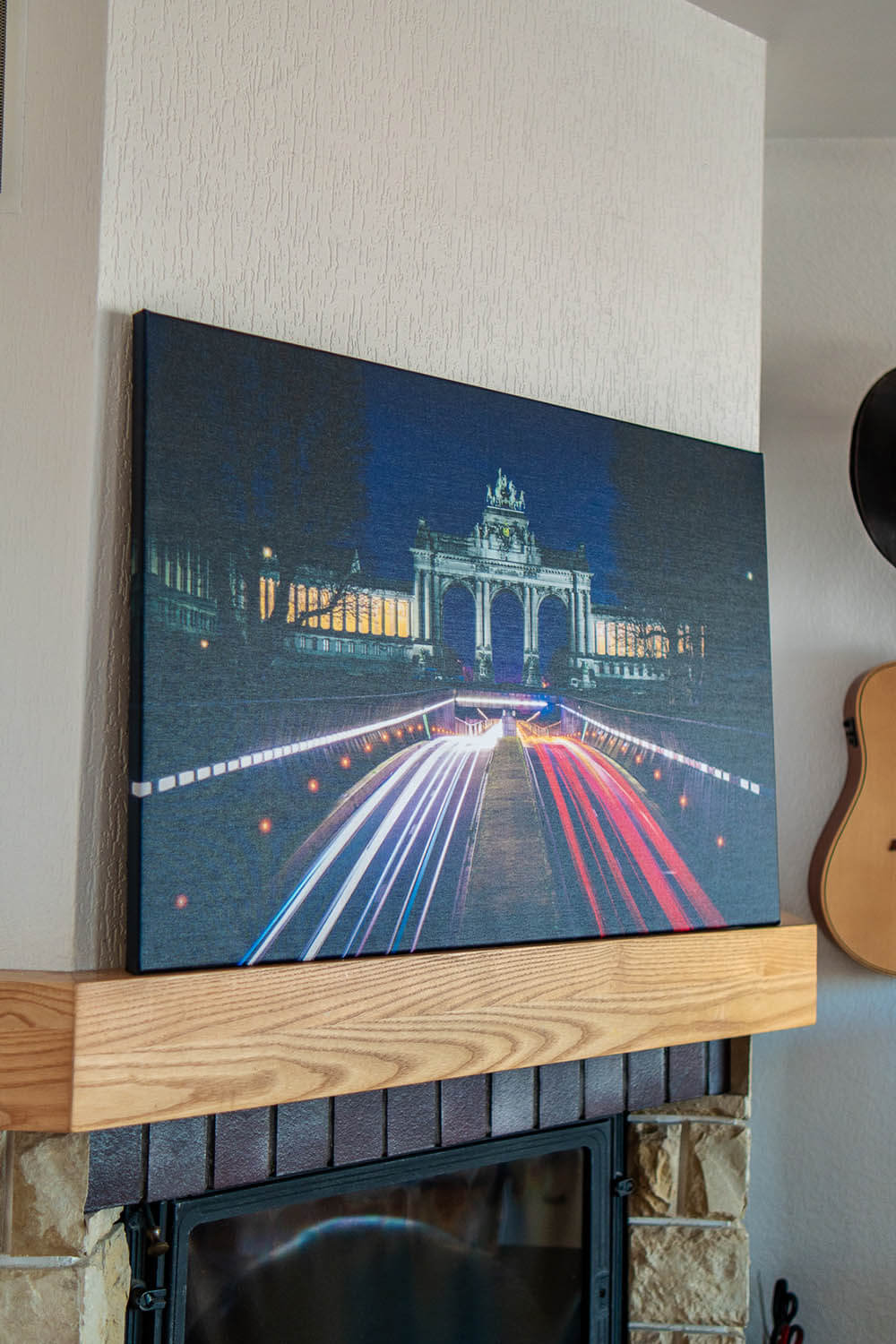
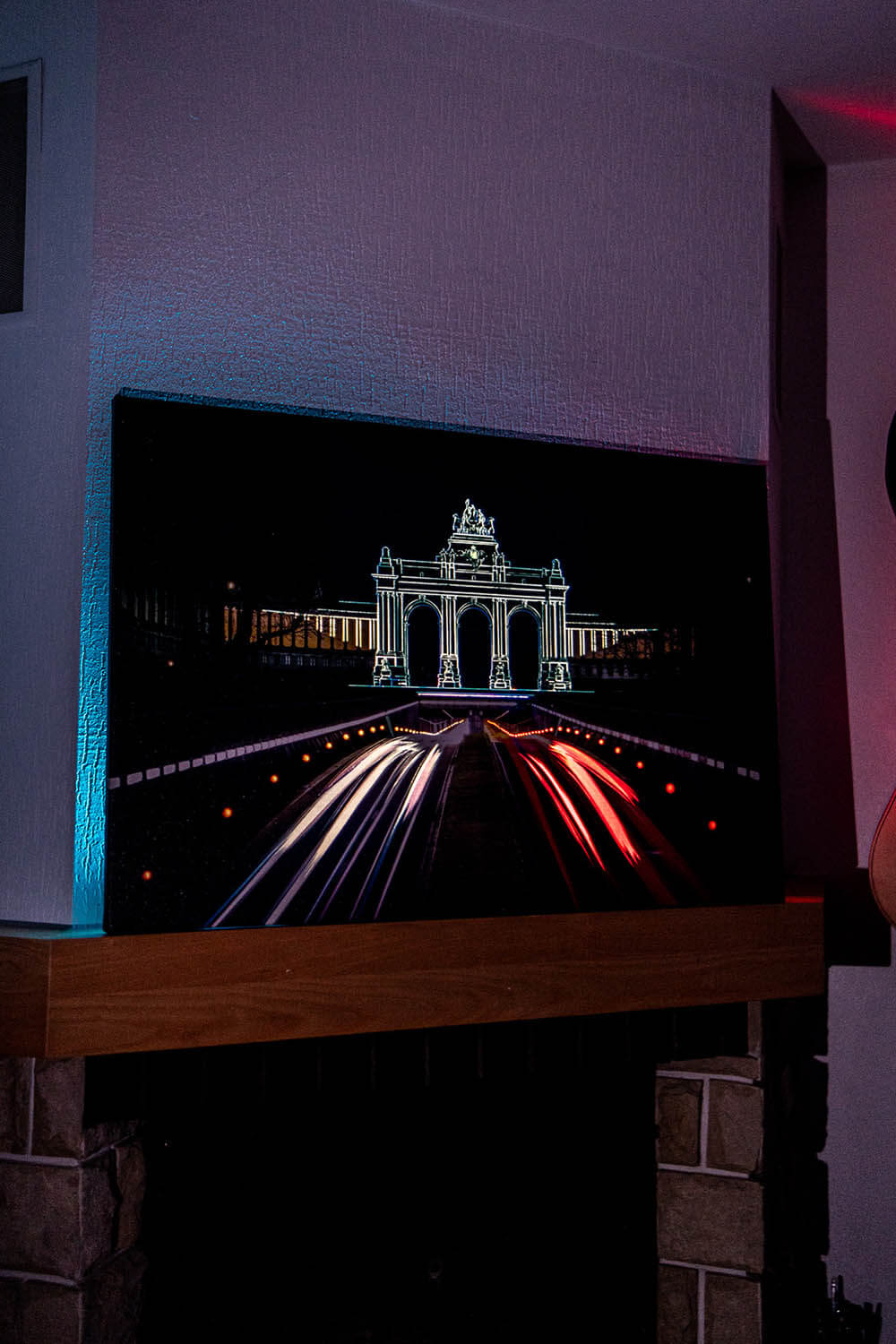
A familiar city scene can remain a complete image in daylight, then reveal illuminated architecture and traffic trails after dark. Smart LED wall art adds a practical layer to that transformation: control over how and when you enjoy it.
The useful starting point is your routine. Think about when you use the room, which other lights are usually on and whether you prefer a subtle accent or a more noticeable focal point.
What makes LED wall art smart?
In this context, smart LED wall art means illuminated artwork with controls that go beyond a simple on/off switch. These can include adjustable brightness, app control and timed operation.
For The Shapie paintings supplied with the standard Bluetooth controller, the ZENGGE app provides brightness adjustment and automatic on/off scheduling. The supplied remote offers everyday controls and an automatic shut-off timer. You can find the setup steps in the LED painting user manual.
Choose the artwork for its image first. The controls make that artwork easier to enjoy at different times of day; they do not replace the importance of the composition itself.
Use dimming to find the right evening balance
The brightness you enjoy with ceiling lights on may feel quite different once the room becomes darker.
Start at a gentle setting and look from your usual seat. Increase the brightness until the illuminated details are clear enough for the atmosphere you want. A painting beside a softly lit armchair may suit a quieter setting than one viewed across a larger living room.
If a television is nearby, check the effect during a dark scene. Adjust the painting or its position if the light creates a distracting reflection. The aim is a room that feels comfortable to use, with the artwork contributing to it.
There is no single brightness percentage that suits every painting and room. The composition, viewing distance and surrounding lights all affect the result.
Know the difference between a timer and a schedule
An automatic shut-off timer is useful when you want to switch the artwork on yourself and have it turn off later. It can suit an evening spent reading, listening to music or winding down.
A schedule is useful when you want the lighting to follow selected times and days. For example, you might choose an early evening switch-on and a later switch-off to match when you normally use the living room.
On The Shapie’s standard control system, these are different features: the remote provides the shut-off timer, while the app handles scheduled on/off times. Set up and check the routine using the instructions for your controller.
Plan around the power option
Automatic controls still need an available power source.
A wired painting needs to remain connected to its power supply while operating. A rechargeable version can illuminate without a connected external cable while running on its battery, with periodic charging required.
If you plan to use a schedule regularly, choose a charging routine that supports it. Your preferred brightness and how long the painting stays illuminated will influence how you use the battery between charges.
Our battery and wired comparison explains the practical differences before you choose a place on the wall.
Match the controls to the painting you choose
Different controllers can offer different features. The Shapie’s standard Bluetooth paintings and artwork supplied with a dynamic WLED controller use separate setup instructions.
Follow the guide for the system supplied with your piece. If a particular connection or control feature matters to you, check it before ordering rather than assuming that every product described as smart works the same way.
The night design matters too. Look at both photographs of the exact artwork: selected details are illuminated, and the evening composition can feel different from the full printed image.
Keep the artwork at the centre of the experience
The Brussels photographs show why this combination works. During the day, the canvas carries the architecture, colours and traffic trails. After dark, the illuminated details draw your attention through the scene.
Dimming and timed control let you decide how that second view belongs in your home. You might prefer it as a quiet background accent on ordinary evenings and turn it up when you want to appreciate the illuminated composition more closely.
For a larger wall, our guide to large LED wall art for a living room considers how scale and viewing distance affect the choice.
Explore The Shapie’s LED wall art collection and choose a design you enjoy with its lights both on and off. Then use its controls to make the evening effect part of your own routine.
A few practical questions
Does dimmable LED wall art need to stay at full brightness?
No. Adjustable brightness lets you choose a level for the room and the moment. Compare settings from where you normally sit.
Can a rechargeable painting use timed controls?
Use the timed features supported by the controller supplied with the painting. The battery still needs sufficient charge for the artwork to operate.
Where should I start with setup?
Identify the controller supplied with your artwork and follow its section of The Shapie user manual. Standard Bluetooth and WLED systems have separate instructions.